Category: Health

  • The Ultimate Business Trip Massage Experience

    The Stress Relief You Deserve
    The pressures of a business trip often come with tight schedules and long hours, leaving little time to relax. A business trip massage can offer an essential escape from the mental and physical strain that accompanies travel. After hours of meetings or flights, a massage helps to release built-up tension, particularly in areas like the neck, shoulders, and lower back. By focusing on stress relief, this experience allows you to return to your business tasks feeling refreshed and ready to tackle challenges.

    The Convenience of In-Hotel Massage Services
    The convenience of an in-hotel massage service is one of the biggest advantages when traveling for business. Instead of taking time out of your busy schedule to search for a spa or wellness center, many hotels now offer in-room or on-site massage options. These services bring professional therapists directly to your location, saving time and offering privacy. Whether it’s a short 30-minute session or a longer, more indulgent treatment, the flexibility of in-hotel services ensures you stay on top of your itinerary without compromising on self-care.

    The Health Benefits for Frequent Travelers
    For frequent business travelers, the physical toll of constant flights, meetings, and sedentary work can lead to muscle fatigue, poor circulation, and even headaches. A business trip massage addresses these issues by improving blood flow and increasing flexibility. Regular massages can help counteract the negative effects of prolonged sitting or stress from travel, ensuring that you stay healthy and energized throughout your journey. It’s an investment in both your physical well-being and professional productivity.

    The Variety of Massage Techniques Available
    Depending on your personal preferences and the amount of time you have available, different massage techniques can be tailored to meet your needs. Swedish massages are perfect for those seeking relaxation, while deep tissue massages can target muscle soreness and tension. Hot stone or aromatherapy treatments can enhance relaxation by incorporating heat or soothing scents. No matter the type, a business trip massage offers an opportunity to customize your experience to suit your specific requirements.

    The Psychological Boost of Relaxation
    Apart from the physical benefits, the psychological impact of a business trip massage should not be underestimated. Taking time to unwind during a hectic trip helps reduce anxiety and improve mental clarity. With a relaxed mind, you’re more likely to make better decisions, foster stronger professional relationships, and approach business challenges with a calm and focused attitude. The power of relaxation goes beyond just physical recovery—it revitalizes your mental state for improved work performance.출장마사지
  • Title: Relaxation on the Go: How Business Trip Massages Enhance Productivity

    The Importance of Self-Care During Business Trips
    Business trips can be highly demanding with tight schedules, long meetings, and constant travel. Amid the whirlwind of conferences and negotiations, finding time to relax becomes essential for maintaining physical and mental well-being. Stress from travel and work can lead to physical tension and fatigue, which can hinder productivity and focus. Incorporating a business trip massage into your routine allows you to unwind and recharge, ensuring you stay at the top of your game throughout your trip.

    Convenience of Massage Services for Business Travelers
    Many hotels and wellness centers now offer massage services tailored specifically for business travelers. These services are designed with convenience in mind, often available on-demand or during flexible hours. Whether you are attending a conference or preparing for a big presentation, a business trip massage can be scheduled to fit seamlessly into your busy itinerary. This makes it easier to take a break and relieve any physical tension without disrupting your commitments.

    Types of Massages Perfect for Business Travelers
    Different types of massages can address specific needs, making them ideal for business travelers. For example, a deep tissue massage targets muscle tension caused by long hours of sitting in meetings or flights. A chair massage is perfect for quick relief during a break, focusing on the neck, shoulders, and back. Additionally, reflexology can help improve circulation and relieve stress, leaving you feeling refreshed and ready for your next task. Understanding the variety of options can help you choose the right one for your needs.

    Enhancing Focus and Clarity with Massage
    A business trip massage not only provides physical relaxation but also helps to clear mental fog. Massage therapy has been proven to stimulate blood flow, reduce stress hormones, and increase endorphins, contributing to enhanced mental clarity and focus. After a massage session, many professionals report feeling more alert and better equipped to make important decisions or engage in high-pressure meetings. This mental clarity can improve performance and make the trip more successful overall.

    Maintaining Health and Wellness on the Road
    Frequent business travel can take a toll on health, especially if self-care is neglected. Regular massages during business trips can significantly improve posture, reduce the risk of chronic pain, and promote overall wellness. By incorporating massages into your routine, you can keep your body in optimal condition while navigating the demands of work travel. It becomes an essential part of maintaining your health and ensuring you perform at your best while away from home.안산출장마사지

  • Revitalizing Your Travel Experience Through Professional Massage Services

    Enhancing Productivity During Business Trips
    Business trips often come with tight schedules, long flights, and exhausting meetings. These factors can leave professionals physically drained and mentally stressed. Incorporating massage services into your travel itinerary can significantly improve your well-being, helping you stay focused and productive. A professional massage alleviates muscle tension and promotes better circulation, ensuring you perform at your best throughout your journey.

    Stress Relief for Optimal Performance
    Stress can negatively impact decision-making and overall performance during critical business meetings. A relaxing massage session helps reduce cortisol levels, the hormone responsible for stress, while boosting the production of endorphins, which enhance mood and relaxation. This balance ensures that professionals can tackle challenges with clarity and confidence, making their business endeavors more effective.

    Adapting to New Environments with Ease
    Traveling to new destinations often means adapting to different time zones, climates, and cultures. These changes can disrupt sleep patterns and energy levels. Massage therapy can help regulate your body’s internal clock and promote restful sleep, enabling you to adjust quickly and maintain energy throughout your trip.

    Maintaining Physical Health on the Go
    Sitting for extended periods during flights or meetings can lead to stiffness and discomfort. A massage tailored to your needs can address these issues, promoting flexibility and reducing the risk of travel-related ailments such as deep vein thrombosis or back pain. Staying physically healthy ensures that you make the most out of your business engagements.

    Creating Balance Amidst Hectic Schedules
    Balancing work responsibilities with personal well-being is crucial, even on a business trip. Scheduling a massage is a simple yet effective way to prioritize self-care. It helps create a harmonious balance, allowing you to recharge and approach your work with renewed enthusiasm and vigor. 안산출장마사지

  • Relaxing Business Trip Massage Experience

    The Importance of a Relaxing Massage During Business Trips
    Business trips can often be stressful, with long meetings, tight schedules, and constant travel. These factors can take a toll on your physical and mental well-being. A business trip massage offers a much-needed break from the hectic pace, allowing you to unwind and recharge. Taking time to relax helps reduce tension, improve focus, and boost overall productivity. Massage therapy works wonders in alleviating stress and preventing muscle aches that can result from long flights, sitting in meetings for hours, or carrying heavy luggage. Incorporating a massage into your business trip can be the perfect way to refresh and prepare for the next round of meetings or presentations.

    The Benefits of On-Demand Massage Services
    When you’re on a business trip, convenience is key. On-demand massage services provide a flexible and efficient way to access massage therapy without having to leave your hotel or office. Many hotels now offer in-room massage services that allow you to enjoy a professional massage in the comfort of your own space. This eliminates the need to take time out of your busy schedule to visit a spa or wellness center. Whether you’re looking for a quick 30-minute session or a more indulgent hour-long treatment, on-demand massages cater to your specific needs, allowing you to stay relaxed and focused throughout your business engagements.

    The Different Types of Massages for Business Travelers
    Business travelers can choose from a variety of massage techniques depending on their preferences and physical needs. A deep tissue massage is ideal for relieving tight muscles and reducing chronic pain caused by stress and long hours of travel. For those seeking a lighter experience, a Swedish massage offers gentle, soothing strokes that relax the mind and body. Additionally, sports massages are excellent for individuals who engage in physical activities during their trips, providing relief for overworked muscles. With numerous massage styles available, business travelers can easily find the right option to enhance their relaxation and ensure a more comfortable and productive trip. 출장마사지

  • The Benefits of Business Trip Massage

    Stress Relief on the Go
    The nature of business trips often involves a hectic schedule with back-to-back meetings, flights, and unfamiliar environments. This can lead to physical and mental stress. A business trip massage is a perfect solution to alleviate the tension that accumulates from long hours of sitting, carrying luggage, or traveling. With a professional massage, the body can relax, reducing stress and helping the individual focus better on the tasks ahead.

    Improved Productivity and Focus
    A business trip massage not only targets physical discomfort but also helps improve mental clarity. After a session, many people experience a boost in energy levels and an enhanced ability to concentrate. This makes it easier to perform well in meetings and presentations, even in new or unfamiliar environments. A brief massage during a break can refresh the mind, leading to more productive and efficient workdays.

    Muscle Relief and Comfort
    Traveling for business often involves long hours in uncomfortable seating positions, whether in planes, trains, or cars. A business trip massage focuses on releasing tight muscles and improving circulation. Whether it’s a neck and shoulder massage or a full-body treatment, the relief from muscle tension makes travel less physically exhausting. This ensures that individuals remain comfortable throughout their journey and arrive at their destination ready to perform at their best.

    Improved Sleep Quality
    Jet lag, stress, and constant movement can negatively impact sleep patterns during business trips. A massage helps promote relaxation and reduces the physical strain that can interfere with a restful night’s sleep. By easing tension in the body, a massage enhances the ability to fall asleep more easily, which is crucial for maintaining energy levels during business activities the next day.

    Enhancing Well-being and Wellness
    In addition to physical benefits, a business trip massage can significantly improve emotional well-being. The feeling of being pampered and cared for during a hectic trip can bring a sense of balance and relaxation. Prioritizing wellness during business travel not only benefits health but also improves overall satisfaction and mood throughout the trip.출장안마

  • Relax and Recharge with a Business Trip Massage

    The Importance of Self-Care During Business Travel
    Business trips often mean hectic schedules, long flights, and constant meetings, all of which can leave professionals feeling drained and stressed. A business trip massage offers a perfect solution to counteract the physical and mental fatigue that accumulates during travel. It provides a much-needed break and helps relieve tension from long hours of sitting, traveling, or stress from work commitments. Taking time for a massage during a business trip ensures that you stay energized and ready to tackle your next challenge with clarity and focus.

    Massage Options Tailored for Busy Professionals
    Business trip massages come in a variety of forms to suit the needs of busy professionals. Many spas and wellness centers near airports or hotels offer quick and effective treatments like chair massages, reflexology, or neck and shoulder massages. These sessions are designed to address common travel-related discomforts such as stiff necks, back pain, or swollen feet. Some services even offer in-room treatments for maximum convenience, allowing you to unwind in the comfort of your own hotel room between meetings. These tailored massage options ensure that even the busiest schedules can accommodate a moment of relaxation.

    Enhanced Focus and Productivity After a Massage
    Receiving a massage during a business trip does more than just relieve physical discomfort; it can also enhance your mental focus. Studies have shown that massages improve circulation, lower stress levels, and promote a sense of calm, which can lead to better decision-making and productivity. After a session, professionals often experience improved concentration, a clearer mind, and reduced anxiety, all of which contribute to a more successful business trip. Investing in a business trip massage is not just about relaxation; it is a strategic way to boost your performance and ensure you make the most of your travel experience. 출장안마

  • Relax and Recharge with a Business Trip Massage

    The Benefits of a Business Trip Massage
    A business trip can be both exciting and exhausting, with long hours of meetings, travel, and constant networking. A business trip massage provides a perfect opportunity to unwind and relieve the stress that builds up throughout the day. Whether you’ve just landed after a long flight or finished a series of back-to-back meetings, a massage can help release tension in the muscles, promote relaxation, and improve your focus. Incorporating regular massages into your travel routine can enhance your overall well-being, boost your productivity, and help you feel rejuvenated for your next business engagement.

    Types of Massages for Business Travelers
    There are several types of massages that are particularly effective for business travelers. The most common include deep tissue massage, which targets muscle tension caused by hours of sitting or carrying heavy luggage; a neck and shoulder massage to alleviate tightness from poor posture; and a foot massage to soothe tired feet after long walks between meetings or airports. Many hotels and spas offer services tailored to business travelers, allowing you to easily incorporate these treatments into your schedule. Depending on your preference, you can opt for a quick 30-minute session or a more indulgent hour-long treatment to truly unwind.

    How to Incorporate a Massage into Your Busy Schedule
    While business trips can be hectic, scheduling a massage doesn’t have to disrupt your plans. Many spas offer flexible hours, including early morning and late evening appointments, which fit well around your busy itinerary. You can also look for on-site spa services at your hotel, which saves valuable time. Even a quick in-room massage can provide significant relief and leave you feeling refreshed, ensuring that you’re ready to take on the challenges of your next meeting with renewed energy and focus. 출장안마

  • Relaxing Recharge on a Business Trip with a Massage

    The Importance of Well-Being During Business Trips

    When you’re on a business trip, the demands of meetings, travel, and tight schedules can take a toll on your physical and mental well-being. Often, people overlook the need for relaxation, thinking it’s a luxury rather than a necessity. However, maintaining your health and energy is crucial for high performance. A business trip massage offers a perfect solution to combat fatigue and stress. Whether it’s a quick 30-minute session or a more extended massage, it can help rejuvenate your body and mind. This form of relaxation helps reduce muscle tension from long hours of sitting in meetings or traveling and can leave you feeling revitalized and ready to tackle the next challenge.

    The Benefits of Massage for Business Professionals

    A massage during a business trip is not just a form of relaxation but also provides several benefits that can enhance your professional experience. For one, it improves circulation, helping to increase energy levels and reduce feelings of exhaustion. If you’ve spent hours on flights or long drives, a massage can alleviate discomfort caused by poor posture or sitting for extended periods. It also enhances focus and clarity by reducing stress hormones in the body. With a more relaxed mind, you can approach meetings and decision-making processes with a fresh perspective, ultimately improving your productivity. Business professionals who prioritize self-care through massages often report feeling more balanced and effective in their roles.

    The Convenience of Getting a Massage on Business Trips

    One of the most appealing aspects of a business trip massage is the convenience it offers. Many hotels now provide in-house spa services, allowing you to schedule an appointment without leaving your accommodation. You can choose from various types of massages, including deep tissue, Swedish, or aromatherapy, depending on your needs and preferences. In addition to hotel spas, there are also mobile massage services that can come to your hotel room, giving you more flexibility and privacy. This level of convenience ensures that even during the busiest business trip, you can still prioritize relaxation and self-care, making it easier to balance work and well-being. 출장안마

  • AI in Healthcare: Transforming Diagnosis, Treatment, and Patient Care

    AI in Healthcare: Transforming Diagnosis, Treatment, and Patient Care

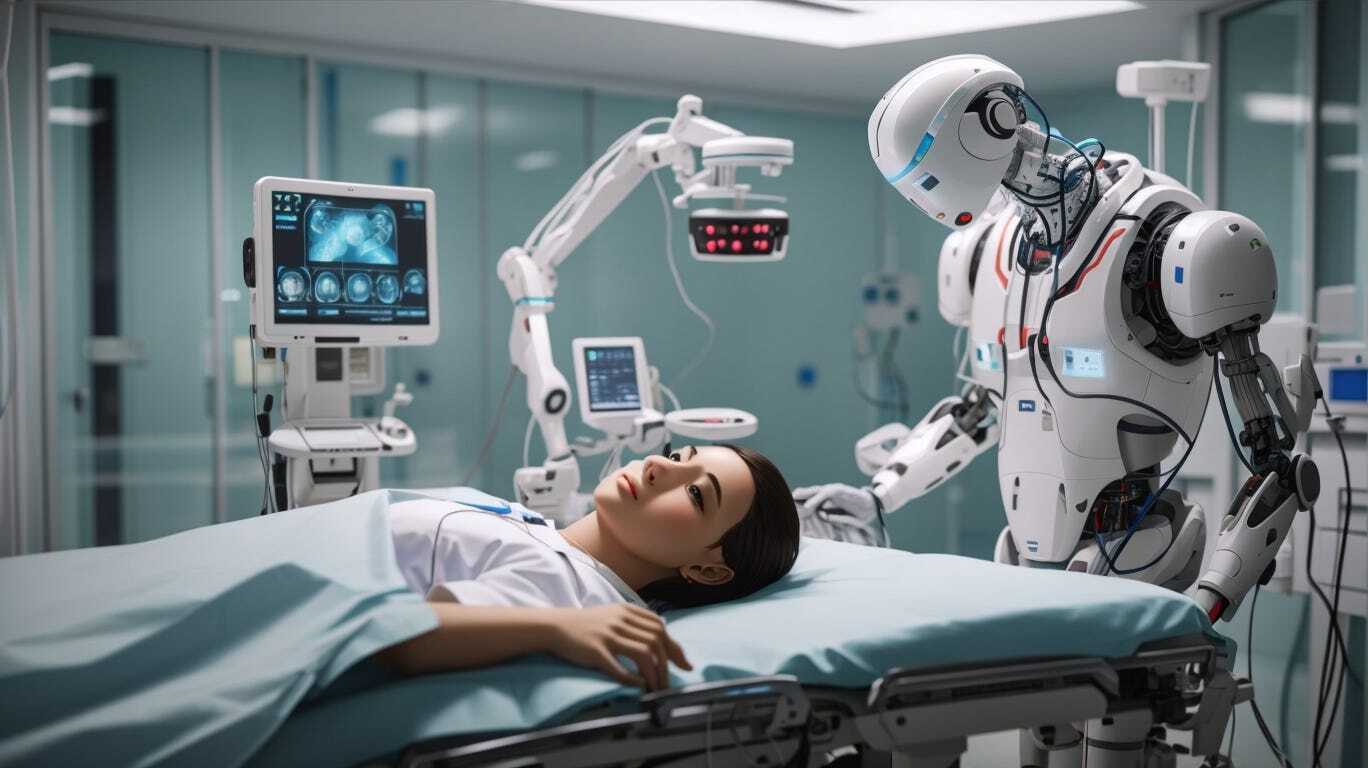
    Artificial Intelligence (AI) is revolutionizing the healthcare industry by enhancing diagnostic accuracy, optimizing treatment plans, improving patient outcomes, and streamlining administrative processes. From medical imaging analysis to personalized medicine and administrative automation, AI technologies are reshaping how healthcare providers deliver services and manage patient care. This article explores the applications, benefits, challenges, regulatory considerations, and future trends of AI in healthcare.

    Applications of AI in Healthcare

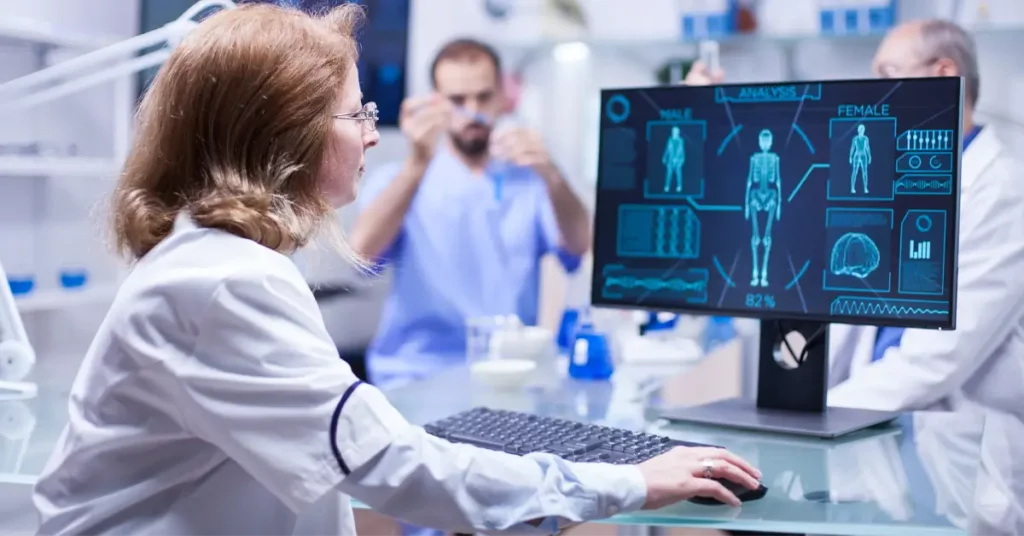
    1. Medical Imaging and Diagnostics: AI-powered image analysis algorithms, such as deep learning and computer vision, improve the accuracy and speed of diagnosing medical conditions from X-rays, MRIs, CT scans, and pathology slides.
    2. Personalized Treatment and Precision Medicine: AI algorithms analyze patient data (genomic, clinical, lifestyle) to tailor personalized treatment plans, predict disease progression, recommend targeted therapies, and optimize drug dosages based on individual characteristics.
    3. Administrative Automation: AI-enabled chatbots, virtual assistants, and natural language processing (NLP) algorithms automate administrative tasks, schedule appointments, manage medical records, and handle patient inquiries, reducing administrative burden on healthcare providers.

    Benefits of AI in Healthcare

    1. Enhanced Diagnostic Accuracy: AI algorithms analyze vast datasets, detect subtle patterns, and assist healthcare professionals in early disease detection, reducing diagnostic errors and improving patient outcomes.
    2. Improved Treatment Planning: AI-based predictive analytics and decision support systems help clinicians devise optimal treatment plans, predict treatment responses, and adjust therapies in real-time based on patient data and medical guidelines.
    3. Efficiency and Cost Savings: Automation of routine tasks, streamlined workflows, and predictive maintenance of medical equipment optimize healthcare delivery, reduce operational costs, and allocate resources more effectively.

    Challenges in Adopting AI in Healthcare

    1. Data Privacy and Security: Safeguarding sensitive patient data, complying with HIPAA regulations, and implementing robust cybersecurity measures to protect healthcare systems from data breaches and unauthorized access.
    2. Ethical and Regulatory Compliance: Addressing ethical concerns (e.g., bias in algorithms, patient consent) and navigating regulatory frameworks (e.g., FDA approvals for AI medical devices, GDPR compliance) to ensure responsible AI deployment and patient safety.
    3. Integration with Existing Systems: Overcoming interoperability challenges, integrating AI solutions with electronic health records (EHRs), and ensuring seamless data exchange between healthcare facilities and systems to support continuity of care.

    Regulatory Considerations

    1. FDA Regulation: The U.S. Food and Drug Administration (FDA) regulates AI-based medical devices, ensuring safety, efficacy, and quality standards are met through premarket approvals, post-market surveillance, and regulatory oversight.
    2. GDPR and Data Protection: Compliance with General Data Protection Regulation (GDPR) in Europe mandates patient data privacy, transparency in data processing practices, and consent mechanisms for AI-driven healthcare applications.
    3. Ethical Guidelines: Adhering to ethical guidelines (e.g., AMA Principles of Medical Ethics, IEEE AI Ethics Guidelines) ensures responsible AI development, respects patient autonomy, and minimizes risks associated with AI technologies in healthcare settings.

    Future Trends in AI Healthcare

    1. AI-Powered Drug Discovery: Acceleration of drug discovery processes through AI algorithms that analyze molecular structures, predict drug interactions, and identify potential candidates for novel therapies and treatments.
    2. Remote Patient Monitoring: Expansion of AI-driven wearable devices, IoT sensors, and telemedicine platforms for remote patient monitoring, real-time health monitoring, and personalized health interventions outside traditional healthcare settings.
    3. AI-driven Healthcare Analytics: Utilization of big data analytics, machine learning models, and predictive analytics to forecast healthcare trends, allocate resources efficiently, and improve population health management.

    Conclusion

    AI is reshaping healthcare by driving innovation, improving diagnostic accuracy, optimizing treatment outcomes, and enhancing patient care delivery. Embracing responsible AI practices, addressing regulatory compliance, and overcoming implementation challenges are crucial for harnessing the full potential of AI technologies in healthcare. By integrating AI-driven solutions, healthcare providers can advance medical research, empower clinicians, and ultimately improve health outcomes for patients globally.

  • AI in Healthcare: Revolutionizing Diagnosis, Treatment, and Patient Care

    AI in Healthcare: Revolutionizing Diagnosis, Treatment, and Patient Care

    Artificial Intelligence (AI) is transforming the healthcare industry by enabling personalized medicine, accelerating diagnosis, improving treatment outcomes, and enhancing operational efficiencies. Through machine learning algorithms, natural language processing (NLP), and computer vision, AI-driven healthcare solutions analyze medical data, predict patient outcomes, and empower healthcare professionals with valuable insights. This article explores the applications, benefits, challenges, ethical considerations, and future trends of AI in healthcare.

    Applications of AI in Healthcare

    1. Medical Imaging and Diagnostics: AI algorithms analyze medical images (e.g., X-rays, MRIs, CT scans) to detect abnormalities, tumors, and early signs of diseases. Computer vision techniques enhance diagnostic accuracy, prioritize urgent cases, and reduce radiologist workload.
    2. Personalized Treatment Plans: AI-driven decision support systems analyze patient data (e.g., genetic profiles, medical history) to recommend personalized treatment plans. Machine learning models predict optimal drug therapies, dosage adjustments, and potential adverse reactions based on individual patient characteristics.
    3. Healthcare Operations and Administrative Efficiency: AI automates administrative tasks (e.g., scheduling appointments, billing), optimizes hospital workflows, and enhances resource allocation. Natural language processing (NLP) facilitates voice recognition, medical transcription, and patient data documentation.

    Benefits of AI in Healthcare

    1. Improved Diagnosis Accuracy: AI algorithms analyze large datasets and medical images with high precision, assisting healthcare providers in early disease detection and differential diagnosis. Enhanced diagnostic accuracy reduces diagnostic errors and improves patient outcomes.
    2. Enhanced Patient Care and Outcomes: AI-powered predictive analytics forecast patient outcomes, identify high-risk individuals, and recommend preventive interventions. Remote patient monitoring, wearable devices, and AI-driven telemedicine platforms enable continuous monitoring and proactive healthcare management.
    3. Cost Reduction and Operational Efficiency: AI streamlines healthcare operations, reduces administrative costs, and optimizes resource utilization. Automated workflows, predictive maintenance of medical equipment, and AI-driven inventory management lower operational expenses and improve service delivery.

    Challenges and Ethical Considerations

    1. Data Privacy and Security: Safeguarding patient data against breaches, unauthorized access, and cyber threats is paramount. AI algorithms must comply with healthcare regulations (e.g., HIPAA) and implement robust encryption, anonymization techniques, and secure data storage practices.
    2. Bias and Fairness: Addressing biases in AI algorithms, such as underrepresentation of diverse patient demographics in training datasets, is crucial to ensure equitable healthcare delivery. Mitigating algorithmic bias promotes fairness, accuracy, and trust in AI-driven medical decisions.
    3. Integration with Clinical Workflow: Integrating AI technologies into existing clinical workflows requires acceptance by healthcare professionals, interoperability with electronic health records (EHRs), and seamless user interfaces. User training, change management strategies, and clinician feedback are essential for successful adoption.

    Future Trends in AI Healthcare

    1. AI-driven Drug Discovery: AI accelerates drug discovery processes by predicting molecular interactions, identifying drug candidates, and optimizing clinical trial designs. Machine learning models analyze genomic data, biomarkers, and pharmacological properties to develop targeted therapies for complex diseases.
    2. AI-powered Remote Monitoring and Telehealth: Expansion of AI-driven remote monitoring devices, wearable sensors, and telehealth platforms enhances virtual care delivery. AI algorithms analyze real-time health data, monitor chronic conditions, and facilitate remote consultations for geographically underserved populations.
    3. Explainable AI (XAI): Enhancing transparency and interpretability of AI decisions in healthcare promotes trust among clinicians and patients. Explainable AI models provide insights into reasoning processes, evidence-based recommendations, and potential clinical outcomes, empowering informed medical decision-making.

    Conclusion

    AI is reshaping the landscape of healthcare by advancing diagnosis accuracy, personalizing treatment plans, and optimizing operational efficiencies. While overcoming challenges such as data privacy, algorithmic bias, and integration complexities, AI holds tremendous potential to improve patient care outcomes, reduce healthcare costs, and foster innovation in medical research and practice. Embracing AI technologies responsibly and ethically ensures healthcare systems evolve towards more accessible, equitable, and patient-centered care models.